Access2

Unraveling the Myth: 5-pin cylinders

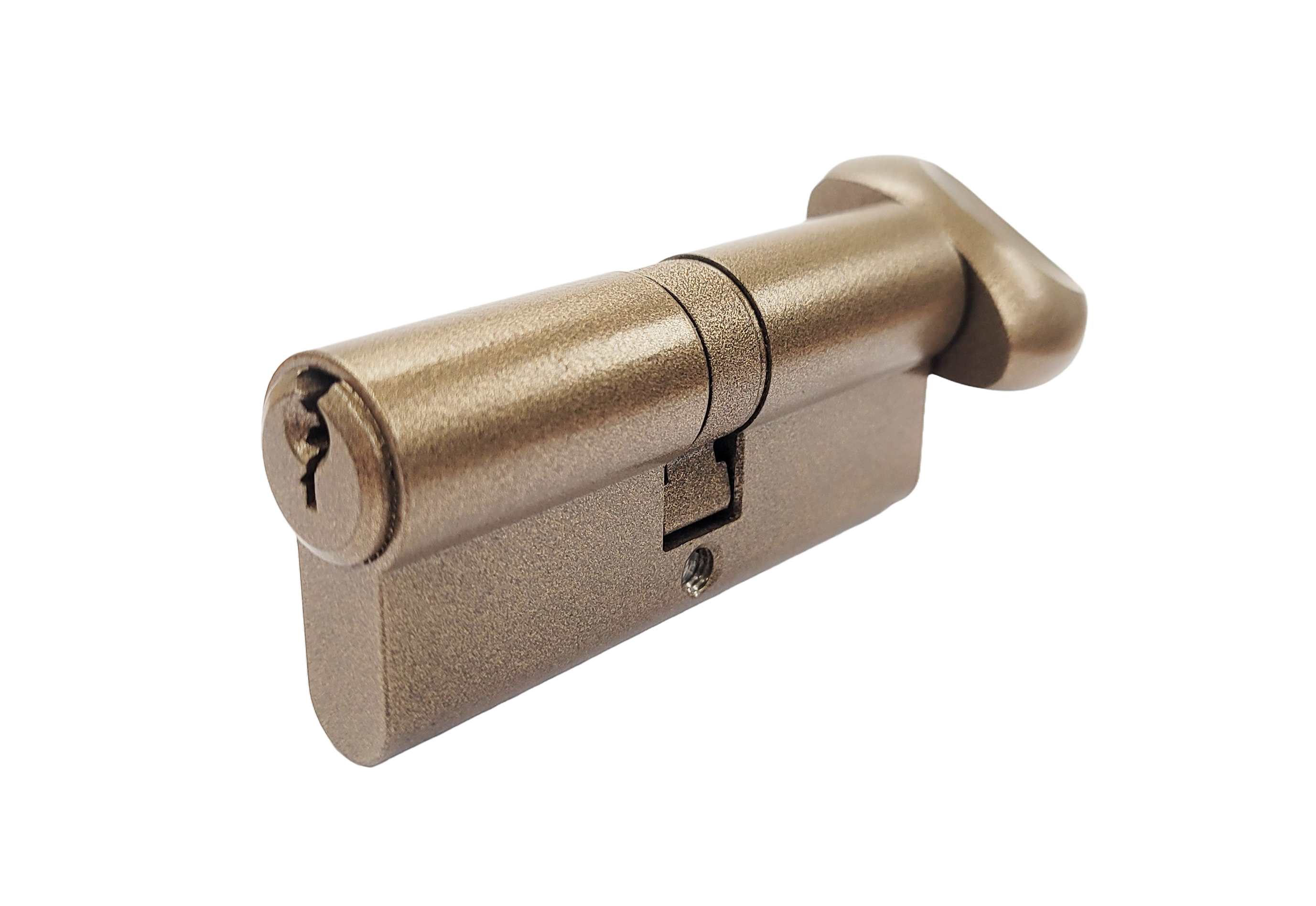
Access2-Tigris-Cylinder

In a world advancing in security standards, the question looms: Is there still a viable reason to specify and select 5-pin cylinders? As technology evolves and building regulations demand more, this exploration delves into the relevance of 5-pin cylinders in the contemporary landscape of locks and keys. Join us as we dissect the intricacies, weigh the pros and cons, and scrutinize whether these once-trusted components still hold a legitimate place in the realm of security. It’s time to separate the myth from the reality and determine if 5-pin cylinders stand the test of modern security demands.

The Deception of Five Pins

On the surface, a lock cylinder with five pins may seem impressive, especially with savvy marketing tactics. Buyers, however, need to recognize that the era of 5-pin cylinders as symbols of security is long gone. It’s high time for those still promoting these cylinders to acknowledge the obsolescence of an inferior product and consign it to history.

Hidden Costs of Bargains: The True Price of 5-Pin Cylinders

Often sold based on cost, 5-pin cylinders can pose significant risks. Beyond the apparent savings, replacing a lock cylinder with a 5-pin variant might inadvertently invalidate your insurance cover, as many policies mandate compliance with the more robust 6-pin standard, specifically BS3621.

Insurance Standards and the Vulnerability of 5-Pin Versions

Insurers set premiums based on risk, and for lock cylinders, BS3621 is a common standard. Recognizing that 5-pin versions are more susceptible to attacks, insurers prefer the higher security offered by 6-pin models. Yet, the layman may fall victim to vendors’ positive spin without understanding the current standards and building regulations for security.

Building Regulations Evolution: Approved Document Q and PAS24

In 2015, English Building Regulations introduced Approved Document Q, focusing on dwelling security. New dwellings were mandated to resist unauthorized entry, demanding compliance with standards like PAS24. Notably, PAS24 emphasizes the need for a minimum 6-pin cylinder for door security, emphasizing the inadequacy of 5-pin alternatives.

Limitations Beyond Homes: 5-Pin Cylinders in Commercial Settings

5-pin cylinders prove impractical in complex masterkey systems used in institutions like hospitals and schools. Their construction limits the number of differ cylinders, often creating obstacles for specifiers trying to cater to clients’ keying needs. This limitation can lead to last-minute changes to a 6-pin alternative, incurring additional costs.

Enhanced Security Features and 5-Pin Limitations

Fewer chambers in a 5-pin cylinder restrict options for security features. Construction keying and anti-bump features become challenging, impacting compliance with Approved Document Q and the coveted 3-star security rating. This deficiency makes properties more vulnerable to attacks.

The Bright and Dark Sides: Advancements and Lingering Practices

While security standards are improving overall, some vendors persist in promoting 5-pin cylinders. It’s crucial to halt this practice, ensuring buyers make informed choices in an era where total security demands patent-protected key systems.

Keep the conversation going

More Posts

Why it pays off to invest in mechatronic or electronic security technology

Security has moved on. Traditional mechanical cylinders still have their place, but today’s buildings demand more: greater control, better auditability, remote management, and future-ready flexibility. That’s where mechatronic and electronic security technology delivers measurable value. One standout example is the TOKOZ ePRO mechatronic cylinder, a solution that intelligently blends mechanical robustness with electronic access control. It represents a smart evolution rather than a wholesale replacement of proven mechanical security. What is Mechatronic Security? Mechatronic security combines: The result? A cylinder that looks and installs like a traditional euro profile lock, but operates within a controlled electronic ecosystem. The TOKOZ ePRO Advantage The TOKOZ ePRO cylinder functions like a standard euro profile cylinder, meaning: Installation is straightforward, with no radical door modifications required, making it ideal for retrofit projects as well as new builds. But beyond mechanical familiarity lies its real strength: electronic access control embedded inside a secure cylinder platform. Why investing in Mechatronic Technology pays off 1. Enhanced access control without replacing every door With mechanical-only systems, lost keys often mean expensive cylinder changes. With mechatronic systems: This dramatically reduces long-term operational costs. 2. Full audit trail and accountability Traditional keys leave no record. Mechatronic cylinders provide: For commercial, healthcare, education, and multi-occupancy buildings, this level of oversight is increasingly essential for compliance and risk management. 3. Flexibility for changing environments Buildings evolve. Staff change. Tenants rotate. Security requirements increase. The TOKOZ ePRO system allows: This adaptability ensures the system continues to deliver value long after installation. 4. Retaining mechanical security strength One common concern with electronic systems is durability. The ePRO addresses this by maintaining: You gain electronic control without sacrificing mechanical integrity. 5. Future-proofing your security investment Electronic and mechatronic access control is no longer niche — it is rapidly becoming standard in: Investing now reduces the risk of premature system obsolescence. A mechatronic platform provides a transitional pathway from purely mechanical to fully integrated electronic systems when required. Mechanical vs Mechatronic: The Real Difference Mechanical Only Mechatronic No audit trail Full event logging Physical rekeying required Credentials programmable Fixed access structure Flexible, scalable access hierarchy Lower upfront cost Lower lifetime management cost While initial investment may be higher, the total cost of ownership is often significantly lower with mechatronic systems. A smart upgrade, not a compromise The TOKOZ ePRO mechatronic cylinder demonstrates how modern access control does not have to mean complexity. It installs like a standard euro cylinder, works with traditional mortice locks, and operates with familiar key functionality — yet adds intelligence, flexibility, and accountability. For organisations looking to enhance security without rebuilding infrastructure, mechatronic technology offers a practical, scalable, and financially sound solution. If security is critical to your building’s integrity, compliance, and operational efficiency, sticking purely with mechanical systems may limit your control and increase long-term costs. Mechatronic solutions like TOKOZ ePRO provide: In today’s security landscape, that combination isn’t a luxury, it’s a strategic advantage.

Read More >
A photograph of school children raising their hands. There are approximately 10 children in the image sat in a well lit classroom. They are wearing blue school jumpers over white shirts.

Preparing School Locking Strategies for Martyn’s Law

Martyn’s Law, introduced to improve security in public spaces, is prompting schools and other organisations to re-evaluate their locking strategies. With safety under greater scrutiny, it’s important for facility managers and school administrators to understand the options available and ensure their buildings are prepared. Classroom vs Clutch Cylinders: What You Need to Know With the introduction of Martyn’s Law, building locking strategies—particularly in education and public spaces—are coming under greater scrutiny. One area often overlooked is the difference between Classroom and Clutch lock functions. In a barricade situation, a Clutch Cylinder allows a keyholder to override the internal thumbturn from outside, whilst still allowing the door to be locked from inside the room. This helps maintain control of the space while preventing unauthorised access. Traditionally, many educational buildings have used Classroom Function, but in certain situations a Clutch Function may provide a more appropriate solution. How Access2 Can Help At Access2, we can help convert Classroom cylinders to Clutch Function without affecting the existing master key system. This means schools can upgrade their locking strategy quickly and efficiently, ready for the next term or planned refurbishment. If you’d like to review your current setup or discuss options, feel free to get in touch with our team.

Read More >

Solverwp- WordPress Theme and Plugin