Access2

Get clear on TS007 at The Security Event

2017-01-Access2-HQ-Neil-Rule

Setting the Standard: TS007 and Building Regulations 2015 – Part Q

The introduction of the TS007 standard and subsequent changes to Building Regulations 2015 – Part Q by the Door and Hardware Federation set a crucial benchmark for home security. Though progress has occurred, I see untapped potential for faster and broader improvements, particularly in the retrofit market.With lingering confusion around the subject, I’ll be addressing this in-depth during my talk on “Improving Home Security and TS007 Cylinder Locks” this April.

Decoding Technology and Innovation in Home Security

The talk is set for The Security Event, and it’s fittingly named the Technology and Innovation Theatre. Contrary to merely using buzzwords, my aim is to provide a nuanced understanding of home security. Genuine improvements arise when those in the locksmith, installer, and door industry comprehend the details behind technological advances and innovative designs. It’s not about claiming superiority; it’s about equipping professionals with the insights to truly benefit consumers.

Beyond Buzzwords: Unveiling TS007’s Critical Details

While TS007 has become an industry buzzword, my presentation aims to delve into its critical aspects, providing much-needed clarity. The devil lies in the details, and understanding the intricacies of the standard is key to enhancing home security.

Join Me at The Security Event: April 30th

I invite you to join me for this talk at The Security Event on April 30th at the NEC. If that date doesn’t suit you, consider visiting on other days. The event, a flagship for the UK’s commercial and residential security industry, offers a wealth of educational sessions, exhibits, and networking opportunities. I look forward to connecting with you.

Best regards,

Neil Rule, MD.

Keep the conversation going

More Posts

Why it pays off to invest in mechatronic or electronic security technology

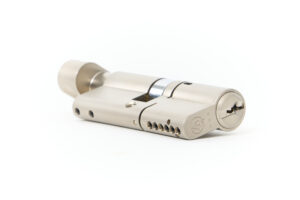
Security has moved on. Traditional mechanical cylinders still have their place, but today’s buildings demand more: greater control, better auditability, remote management, and future-ready flexibility. That’s where mechatronic and electronic security technology delivers measurable value. One standout example is the TOKOZ ePRO mechatronic cylinder, a solution that intelligently blends mechanical robustness with electronic access control. It represents a smart evolution rather than a wholesale replacement of proven mechanical security. What is Mechatronic Security? Mechatronic security combines: The result? A cylinder that looks and installs like a traditional euro profile lock, but operates within a controlled electronic ecosystem. The TOKOZ ePRO Advantage The TOKOZ ePRO cylinder functions like a standard euro profile cylinder, meaning: Installation is straightforward, with no radical door modifications required, making it ideal for retrofit projects as well as new builds. But beyond mechanical familiarity lies its real strength: electronic access control embedded inside a secure cylinder platform. Why investing in Mechatronic Technology pays off 1. Enhanced access control without replacing every door With mechanical-only systems, lost keys often mean expensive cylinder changes. With mechatronic systems: This dramatically reduces long-term operational costs. 2. Full audit trail and accountability Traditional keys leave no record. Mechatronic cylinders provide: For commercial, healthcare, education, and multi-occupancy buildings, this level of oversight is increasingly essential for compliance and risk management. 3. Flexibility for changing environments Buildings evolve. Staff change. Tenants rotate. Security requirements increase. The TOKOZ ePRO system allows: This adaptability ensures the system continues to deliver value long after installation. 4. Retaining mechanical security strength One common concern with electronic systems is durability. The ePRO addresses this by maintaining: You gain electronic control without sacrificing mechanical integrity. 5. Future-proofing your security investment Electronic and mechatronic access control is no longer niche — it is rapidly becoming standard in: Investing now reduces the risk of premature system obsolescence. A mechatronic platform provides a transitional pathway from purely mechanical to fully integrated electronic systems when required. Mechanical vs Mechatronic: The Real Difference Mechanical Only Mechatronic No audit trail Full event logging Physical rekeying required Credentials programmable Fixed access structure Flexible, scalable access hierarchy Lower upfront cost Lower lifetime management cost While initial investment may be higher, the total cost of ownership is often significantly lower with mechatronic systems. A smart upgrade, not a compromise The TOKOZ ePRO mechatronic cylinder demonstrates how modern access control does not have to mean complexity. It installs like a standard euro cylinder, works with traditional mortice locks, and operates with familiar key functionality — yet adds intelligence, flexibility, and accountability. For organisations looking to enhance security without rebuilding infrastructure, mechatronic technology offers a practical, scalable, and financially sound solution. If security is critical to your building’s integrity, compliance, and operational efficiency, sticking purely with mechanical systems may limit your control and increase long-term costs. Mechatronic solutions like TOKOZ ePRO provide: In today’s security landscape, that combination isn’t a luxury, it’s a strategic advantage.

Read More >
A photograph of school children raising their hands. There are approximately 10 children in the image sat in a well lit classroom. They are wearing blue school jumpers over white shirts.

Preparing School Locking Strategies for Martyn’s Law

Martyn’s Law, introduced to improve security in public spaces, is prompting schools and other organisations to re-evaluate their locking strategies. With safety under greater scrutiny, it’s important for facility managers and school administrators to understand the options available and ensure their buildings are prepared. Classroom vs Clutch Cylinders: What You Need to Know With the introduction of Martyn’s Law, building locking strategies—particularly in education and public spaces—are coming under greater scrutiny. One area often overlooked is the difference between Classroom and Clutch lock functions. In a barricade situation, a Clutch Cylinder allows a keyholder to override the internal thumbturn from outside, whilst still allowing the door to be locked from inside the room. This helps maintain control of the space while preventing unauthorised access. Traditionally, many educational buildings have used Classroom Function, but in certain situations a Clutch Function may provide a more appropriate solution. How Access2 Can Help At Access2, we can help convert Classroom cylinders to Clutch Function without affecting the existing master key system. This means schools can upgrade their locking strategy quickly and efficiently, ready for the next term or planned refurbishment. If you’d like to review your current setup or discuss options, feel free to get in touch with our team.

Read More >

Solverwp- WordPress Theme and Plugin